
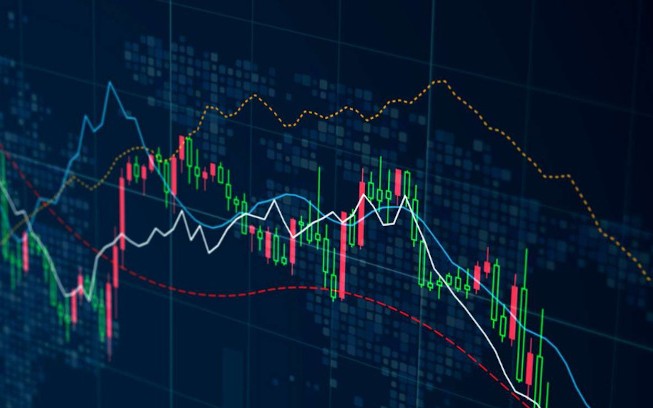
Mastering Forex Trading: Strategies, Tools, and Insights
Forex trading, or foreign exchange trading, has gained immense popularity over the past few decades. With the rapid advancements in technology and access to online platforms, individuals from around the world are now able to trade currencies with ease. Many traders are drawn to the high liquidity and potential for profit in the forex market. However, achieving success in forex trading requires knowledge, strategy, and discipline. In this article, we will delve into the fundamentals of forex trading, key strategies, essential tools, and insights that can help you navigate this dynamic market. If you’re looking to deepen your understanding of forex trading, check out forex trading acev.io for additional resources.
Understanding the Forex Market
The forex market is the largest financial market in the world, with daily trading volumes exceeding $6 trillion. Unlike stock markets, the forex market operates 24 hours a day, five days a week, enabling traders to buy and sell currencies from anywhere in the world. Major currency pairs include EUR/USD, GBP/USD, and USD/JPY, but there are also many minor and exotic pairs available for trading.
Forex trading involves speculating on the price movements of currency pairs. Traders can either take a long position, betting that the value of a currency will rise, or a short position, betting that it will fall. Understanding exchange rates, pips, and lots is essential for effective trading.
Key Concepts in Forex Trading
1. Currency Pairs
In forex trading, currencies are traded in pairs. The first currency in the pair is called the base currency, and the second is the quote currency. For example, in the EUR/USD pair, the euro (EUR) is the base currency, and the US dollar (USD) is the quote currency. The exchange rate indicates how much of the quote currency is needed to purchase one unit of the base currency.
2. Pips and Lots
A pip (percentage in point) is the smallest price move that a given exchange rate can make. Most currency pairs are quoted to four decimal places, so a movement from 1.2345 to 1.2346 represents a change of one pip. A lot is a standard unit size in Forex trading. Standard lots consist of 100,000 units, mini lots consist of 10,000 units, and micro lots consist of 1,000 units. Understanding these units is crucial for managing your risk and position sizes effectively.
3. Leverage
Leverage allows traders to control larger positions with a smaller amount of capital. For example, with 100:1 leverage, a trader can control a $100,000 position with only $1,000. While leverage can amplify profits, it also amplifies losses, making risk management a critical component of forex trading.
Developing a Forex Trading Strategy
A successful forex trading strategy is key to achieving consistent results in the market. Below are several strategies that traders can utilize:
1. Technical Analysis
Technical analysis involves analyzing past market data, primarily price charts, to predict future price movements. Traders use indicators, such as moving averages, RSI (Relative Strength Index), and Fibonacci retracement levels to identify trends and potential reversal points. Combining multiple indicators can provide more robust signals.
2. Fundamental Analysis

Fundamental analysis focuses on the underlying economic, social, and political factors that influence currency movements. Traders examine economic indicators, such as GDP, unemployment rates, and central bank interest rates, to gauge the overall health of an economy and make trading decisions accordingly.
3. Price Action Trading
Price action trading relies on reading and interpreting price movements without the use of indicators. Traders who employ this strategy focus on support and resistance levels, candlestick patterns, and market psychology to make informed trading decisions. This approach can be beneficial for those who prefer a more straightforward method of analysis.
Tools for Successful Forex Trading
In order to trade effectively, it’s essential to have access to the right tools. Here are some important tools every forex trader should consider:
1. Trading Platform
A reliable trading platform is crucial for executing trades efficiently. Platforms like MetaTrader 4 (MT4) and MetaTrader 5 (MT5) offer a range of features, including advanced charting tools, a variety of indicators, and automated trading options. Choose a platform that suits your trading style and preferences.
2. Economic Calendar
Staying updated on economic news and events is vital for forex traders. An economic calendar provides information about scheduled economic releases, such as employment reports and interest rate announcements. Being aware of these releases allows traders to anticipate market volatility and position themselves accordingly.
3. Risk Management Tools
Proper risk management is essential to long-term trading success. Tools such as stop-loss orders, take-profit orders, and position sizing calculators help traders manage their exposure and protect their capital. It’s important to determine your risk tolerance and set up trades that align with your risk management plan.
The Psychological Aspect of Forex Trading
Forex trading is not just about strategies and technical tools; psychology plays a critical role in trading success. Managing emotions can be challenging when trading, especially during periods of high volatility. Here are some tips to maintain a healthy trading psychology:
1. Set Realistic Goals
Establishing achievable trading goals is essential for maintaining motivation and focus. Instead of aiming for unrealistic returns, set goals that are specific, measurable, attainable, relevant, and time-bound (SMART). This approach will help you track progress and stay disciplined.
2. Maintain a Trading Journal
A trading journal allows you to document trades, strategies, and emotions experienced during trading. By reviewing your past trades, you can identify patterns in your decision-making and make necessary adjustments to improve future performance.
3. Learn from Mistakes
Mistakes are an inevitable part of trading. Instead of allowing losses to discourage you, view them as learning opportunities. Analyze what went wrong and how you can avoid similar mistakes in the future. This mindset will help you grow as a trader.
Conclusion
Forex trading presents a world of opportunities for those willing to invest the time and effort to learn its intricacies. By understanding key concepts, developing a solid trading strategy, utilizing essential tools, and maintaining a healthy trading psychology, traders can navigate the forex market more effectively. Remember that success in forex trading does not happen overnight; it requires perseverance, discipline, and continuous learning. Whether you are a beginner or an experienced trader, always be open to refining your approach and enhancing your skills in this ever-evolving market.